Have you ever tried on a shirt that looked great on the hanger but felt wrong the moment you put it on? Often the problem isn’t you or the shirt. It’s the match between the shape of the garment and the shape of your body.
Learning to dress for your body shape is less about hiding “flaws” and more about understanding proportion. Once you know how lines, fit and color guide the eye, you can choose clothes that feel comfortable and look balanced, without following strict rules.
This guide walks you through figuring out your proportions, using line and fit to your advantage and building outfits that work for real life.
Start With Your Proportions, Not a Label
Style guides love fruit names like “apple” and “pear,” but most bodies don’t fit neatly into one box. A more useful approach is to notice your proportions. Stand in front of a full-length mirror in fitted clothing and ask a few questions:
- Are my shoulders wider, narrower or about the same width as my hips?
- Is my waist clearly defined, or fairly straight from ribs to hips?
- Is my torso long or short compared with my legs?
- Where do I want to draw the eye, and where would I like the eye to move past?
Write down your answers. These notes will help you dress for your body shape far more accurately than a general label ever could.
It also helps to take a few photos of outfits you already love. Look at what they have in common, such as a certain neckline, length or waistline. Those patterns are clues to what works for your frame.
Use Line to Guide the Eye
Lines in clothing come from seams, necklines, hems, pockets, belts and patterns. According to New Mexico State University’s extension guide on line, color and texture in fashion, vertical lines that carry the eye upward without interruption create a taller, more slender look. Horizontal lines move the eye from side to side and can add visual width.
You can use this in simple ways. A V-neck or an open collar lengthens the neck and torso. A long open cardigan or a column of one color from top to toe creates an unbroken vertical line, while a wide belt or a bold horizontal stripe draws attention to that spot.
Balance Your Silhouette
Once you know your proportions, aim for balance. Here are common goals and easy ways to reach them:
- Shoulders wider than hips: Choose V-necks and simple tops, then add volume below with A-line skirts, wide-leg pants or detailed pockets.
- Hips wider than shoulders: Add interest up top with boat necks, structured shoulders or patterned tops, and keep bottoms in darker, simpler fabrics.
- Defined waist: Wrap dresses, belted coats and high-waisted pants show off your natural waistline.
- Straight frame: Create shape with peplum tops, layered pieces or a belt worn slightly above the natural waist.
- Shorter legs: Higher waistlines and shoes close to your skin or pant color make legs look longer.
Treat these as starting points, not rules. If you love an outfit and feel good in it, that matters more than any guideline.
Don’t Forget Color
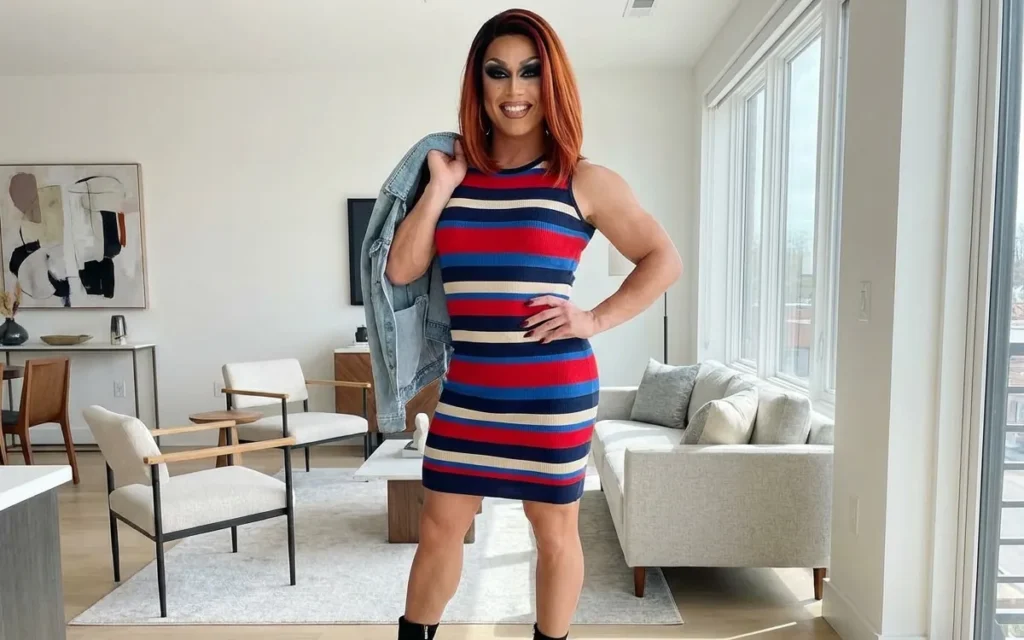
Color works much like line. Darker shades tend to recede, while lighter and brighter shades draw attention. Wearing a bright top with dark pants pulls the eye upward, and a single color head to toe creates a long, smooth look.
Why Fit Matters More Than Size
The single biggest change most people can make is wearing clothes that fit properly. Shoulder seams should sit at the edge of your shoulders, buttons shouldn’t pull and pant hems should fall where you want them, not bunch at your ankles.
Ignore the number on the tag, since sizing varies widely between brands. Try items on, sit down in them and raise your arms. A simple hem or waist adjustment from a local tailor can turn a so-so piece into a favorite.
If you’re building a wardrobe from scratch, our guide to building a capsule wardrobe shows how to choose a small set of pieces that mix and match easily.
How to Dress for Your Body Shape When You Shop
A little planning makes shopping faster and helps you avoid regret purchases:
- Take your notes with you. Keep your proportion notes on your phone and check new pieces against them.
- Start with one hero item. Look for the type of piece that works best for you, such as a great pair of trousers, and build outfits around it.
- Check the fabric. Medium-weight fabrics that drape smoothly usually look more polished than very stiff or very clingy ones.
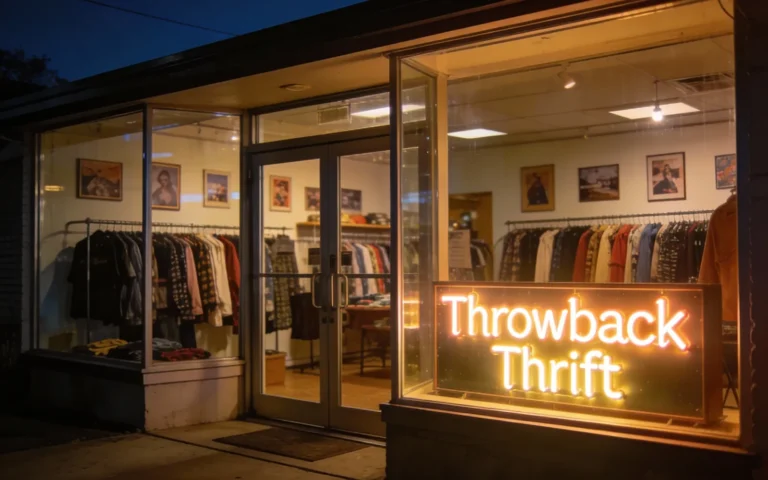
- Shop secondhand first. Thrift and resale stores let you experiment with new silhouettes at a low cost, as our post on sustainable fashion on a budget explains.
Your Next Step
This week, try one experiment. Pull out an outfit you rarely wear and change one element, like swapping a crew neck for a V-neck or adding a belt. Notice how the proportions shift and what feels right to you.
Here at PKwys.com, we focus on practical style that works for everyday life. Explore more outfit ideas and wardrobe tips in our fashion section.