
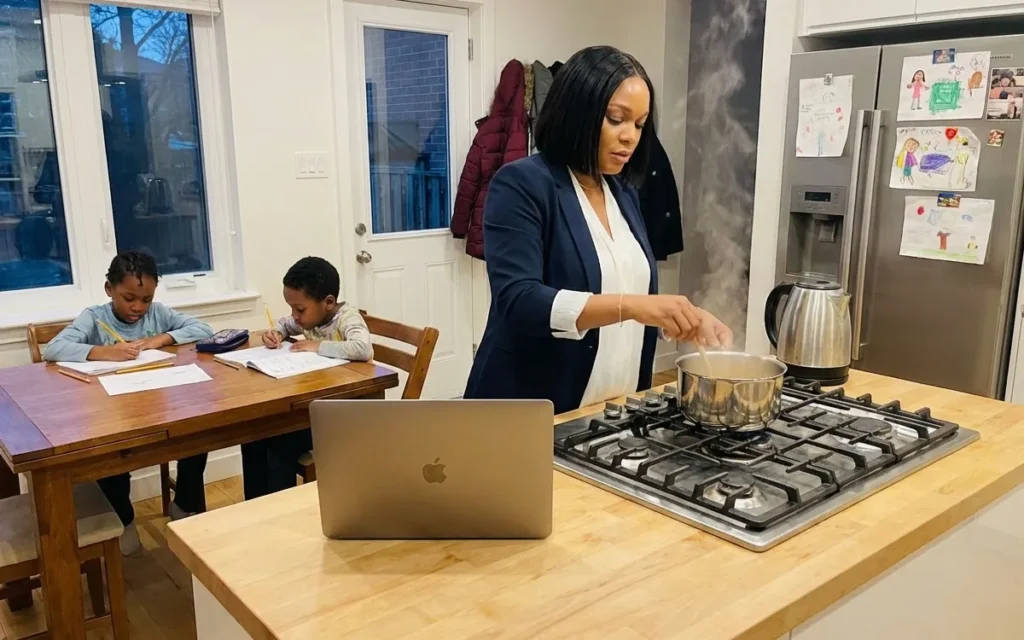
A side hustle can give you more than extra income. It can build a new skill, feed a creative interest or test a business idea while your paycheck stays steady. Running a side hustle while working full-time does take a plan, though: one that respects your job, your evenings and your energy.
The six steps below follow a sensible order, starting with your contract and ending with your well-being. Each one is small on its own. Together, they help you build momentum without letting the project swallow your weekends.
A quick note: PKwys.com offers general information, not legal or tax advice. Your contract, location and income all shape the details, so run your plans past a qualified professional.
Step 1: Check Your Employment Agreement
Before you buy a domain name or announce anything online, reread your employment contract and employee handbook. Look for clauses like these:
- Outside work or moonlighting policies that ask you to disclose side work or get approval first.
- Non-compete or non-solicitation terms that limit work in your industry or with your employer’s clients.
- Intellectual property clauses that may give your employer rights to what you create, especially on company time or equipment.
- Confidentiality rules that cover information you learn on the job.
Keep the two worlds separate. Use your own laptop, phone and accounts, and never work on your side project during paid hours. If anything is unclear, ask HR or an employment attorney before you start, not after you’ve landed your first client.
Step 2: Choose an Idea That Fits Your Energy
The best side hustle isn’t always the one that pays the most per hour. It’s the one you can keep up after a full day of work. Most ideas fall into one of three groups.
Skill-based services
Freelance writing, design, bookkeeping, tutoring and consulting let you start quickly with skills you already have. The tradeoff is that you’re exchanging time for money, so your available hours cap what you can earn.
Products you create
Printables, templates, online courses and handmade goods take longer to build and market up front. Digital products have a useful advantage: once one exists, each extra sale takes little or no extra production time.
Flexible local gigs
Pet sitting, photography, event help and furniture assembly often happen on evenings and weekends, which suits a day-job schedule. Demand tends to rise and fall with the seasons, so expect busy stretches and quiet ones.
Run a quick fit check
Before you commit, put each idea through three questions. Would I still enjoy this when I’m tired? Does it stay clear of my employer’s business? Can I start with tools I already own?
Step 3: Find Your Real Weekly Hours
It’s easy to overestimate your free time. For one week, note how you actually spend your evenings and weekends. Then circle the blocks you could give up without losing sleep or time with the people you love.
Focused sessions usually beat scattered late nights. A sample week might look like this:
- Two weekday evenings: 60 to 90 minutes of client work or product building.
- One weekend morning: a longer block for planning, marketing and batching small tasks.
- Sunday evening: 15 minutes to review the week ahead and set one clear goal.
If your mind is sharpest early, a quiet hour before work can become your most productive side-hustle time. These habits for more productive mornings can help you build that rhythm without feeling rushed.
Step 4: Test the Idea Before You Build Everything
Skip the custom logo and the perfect website for now. Your first goal is simple proof that someone will pay for what you offer.
- Describe your offer in one sentence: who it helps, what they get and what it costs.
- Share it with your personal network, a relevant online community or a local group, avoiding your employer’s clients.
- Aim for one to three paying customers at a fair introductory price.
- Ask each customer what worked and what they would change, then adjust.
To set that price, look at what others charge for similar work in your area or niche. Start near the middle of that range rather than at the bottom. Pricing too low makes it harder to raise rates later and can leave you resenting work you once enjoyed.
If nobody bites after a few honest attempts, treat that as useful information, not failure. Change the offer, the audience or the price, and test again.
Step 5: Set Up Simple Money and Business Systems
A little structure now saves hours of untangling later. Three basics cover what most new side hustles need.
Separate your finances
Open a dedicated bank account for side income and expenses. It makes tracking easier, keeps tax season calmer and shows you clearly whether the hustle is making money. A simple spreadsheet with tabs for income and expenses, plus a folder for receipts, is plenty at the start.
Plan for taxes
In the US, side income is generally taxable, even in small amounts. Self-employment income can also bring extra obligations, such as self-employment tax and estimated payments during the year. Track every payment and expense, and set aside part of what you earn for taxes. A tax professional can tell you how much to save and whether estimated payments or extra withholding from your paycheck suits you better.
Handle the paperwork early
A short written agreement covering scope, deadline, price and payment terms heads off most misunderstandings, and even a confirming email counts. Check whether your city, county or state requires a business license or registration for your kind of work. If you’ll be working in clients’ homes or caring for their pets, ask an insurance agent about liability coverage.
Step 6: Protect Your Day Job and Your Well-Being
Your full-time job is funding this experiment, so keep your performance there steady. Set clear response hours for side clients, turn down rush jobs that collide with work deadlines, and don’t promise availability you don’t have.
Watch for early signs of overload, such as poor sleep, constant irritability or dreading both jobs. Protect at least one completely free evening each week, and if exhaustion lingers, talk with your doctor. Small, repeatable routines help, too, and our guide to wellness habits built to last is a good place to begin.
Your First Move This Week
Building a side hustle while working full-time works best through small, steady steps. Choose one idea, protect two focused sessions a week and aim for a single paying customer before you invest in anything fancy.
By the end of this week, reread your contract, then write your one-sentence offer and send it to three people who might need it. From there, keep building with the practical, no-hype guidance in our Business section.