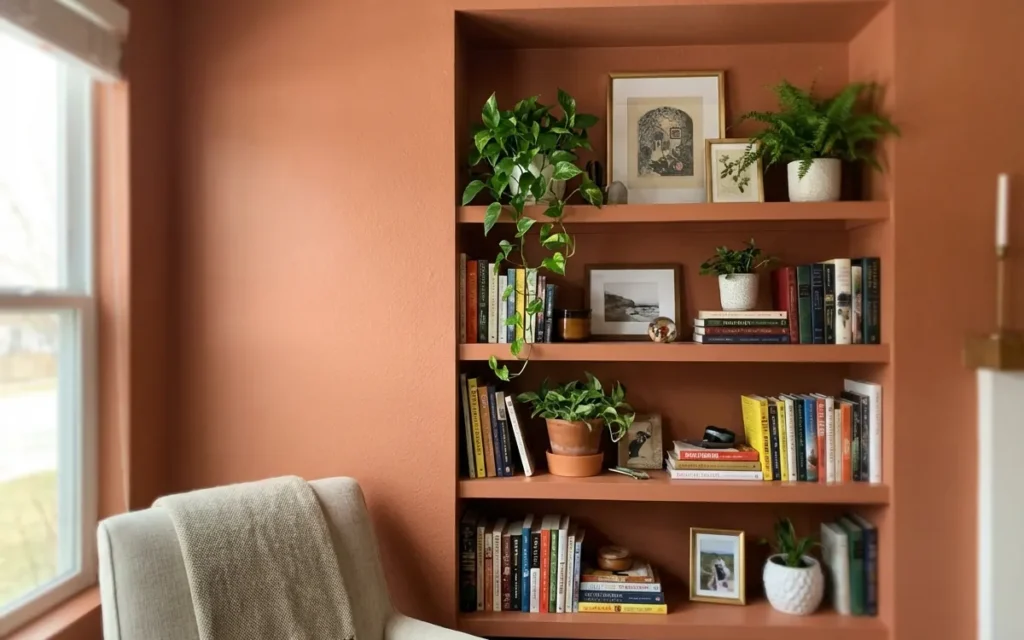
Standing in front of a wall of paint chips can feel overwhelming. Hundreds of whites, grays and blues look nearly identical in the store, then completely different once they’re on your walls. It’s no wonder so many people stick with the same safe beige for years.
The good news is that you can choose paint colors with confidence by following a simple process. Once you understand how light, undertones and finishes work, picking the right shade for each room becomes much easier, and you’re far less likely to repaint a week later.
This guide walks you through each step, with room-by-room ideas to get you started.
Start With Light and Mood
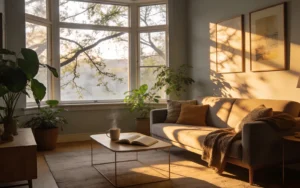
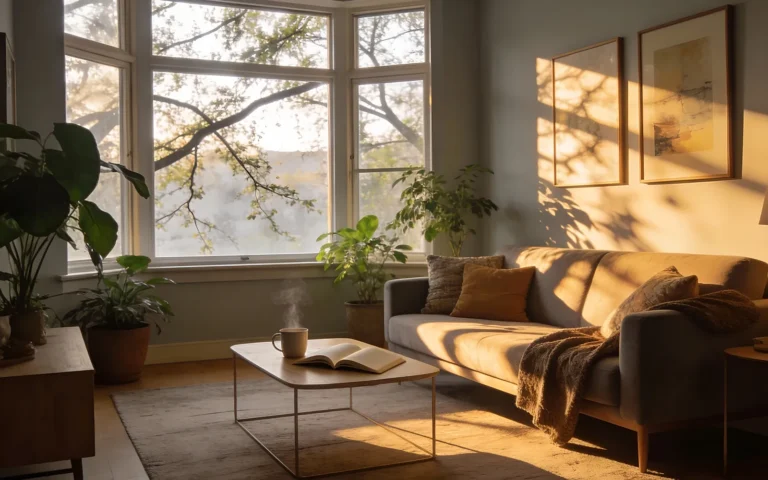
Light changes everything about how a color looks. Before you pick a single chip, notice how light enters each room at different times of day.
- North-facing rooms get cooler, softer light. Warm colors with yellow or red undertones can keep them from feeling chilly.
- South-facing rooms get bright, warm light most of the day. They can handle cooler shades and deeper colors well.
- East-facing rooms are bright and warm in the morning, then cooler in the afternoon.
- West-facing rooms feel softer in the morning and glow warmly in the evening.
Think about the mood you want, too. Soft blues and greens tend to feel calm, warm neutrals feel cozy and brighter shades feel energetic.
Understand Undertones and Lightness
Most colors have an undertone, a hint of another color underneath. A gray might lean blue, green or purple, and a white might lean yellow or pink. Undertones explain why a “neutral” can suddenly look strange next to your sofa or floors.
To spot an undertone, hold the chip against a plain sheet of white printer paper. Compare several similar shades side by side, and the differences will jump out. Look at the darkest color on the paint strip, too, since it often reveals the undertone more clearly.
Many paint chips also list a light reflectance value, or LRV, which shows how much light a color reflects. Higher numbers mean lighter colors that bounce more light, which helps in small or dim rooms.
How to Choose Paint Colors That Flow
A home feels more pulled together when colors relate to each other from room to room. A simple approach is to pick one main neutral for hallways and open spaces, then choose accent colors for individual rooms that share similar undertones.
Many designers use the 60-30-10 guideline as a starting point. About 60% of a room is a main color, usually the walls; 30% is a secondary color in furniture or textiles; and 10% is an accent in pillows, art or decor. It’s a helpful way to balance a space without overthinking it.
Pull ideas from what you already own. A favorite rug, piece of art or fabric can inspire a palette that suits your home naturally.
Test Before You Commit
Never choose a color from a tiny chip alone. Testing is the most important step, and it saves money in the long run:
- Narrow it down to two or three options. More than that makes the decision harder.
- Use large samples. Paint sample boards or poster board at least a foot or two wide.
- Place samples on several walls. Check them near windows, in corners and next to trim and floors.
- Look at different times of day. Check morning, afternoon and evening, with lamps on and off.
- Live with them for a few days. The right color usually becomes clear quickly.
Pick the Right Finish for Each Room
Paint finish, or sheen, affects both looks and durability. Flat and matte finishes hide wall imperfections and work well in bedrooms and living rooms. Eggshell and satin are a bit easier to wipe clean, making them good for busy family spaces and hallways. Semi-gloss stands up to moisture and frequent cleaning, so it’s common on trim, doors, kitchens and bathrooms.
Here are a few room-by-room ideas to consider:
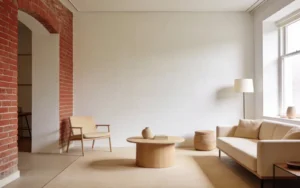
- Living room: Warm neutrals or soft greens create a welcoming backdrop for furniture and art.
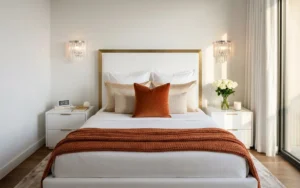
- Bedroom: Muted blues, gentle greens or soft earthy tones help the room feel restful.
- Kitchen: Clean whites and light neutrals keep things bright, with color on cabinets or an island.
- Bathroom: Light, airy shades make small spaces feel larger. Our guide to small bathroom makeover ideas has more tips.
- Home office: Calm greens or blues can support focus without feeling dull.
Paint Safely
Paints can release volatile organic compounds, or VOCs, as they dry. The EPA’s page on volatile organic compounds and indoor air quality recommends increasing ventilation when using products that emit VOCs, so open windows and run fans while you paint. If your home was built before 1978, older layers may contain lead-based paint. Read the EPA’s guidance on lead-safe renovation, repair and painting, and consider hiring a certified professional before sanding or scraping.
Your First Step
Choose one room to start, study its light this week and pick up two or three samples. Once you see a color working on your own walls, the rest of the house gets easier. A fresh coat of paint is also one of the most affordable upgrades, as our list of budget home improvement ideas that add value explains.
Here at PKwys.com, we make home projects feel doable. Explore more ideas in our home improvement section.