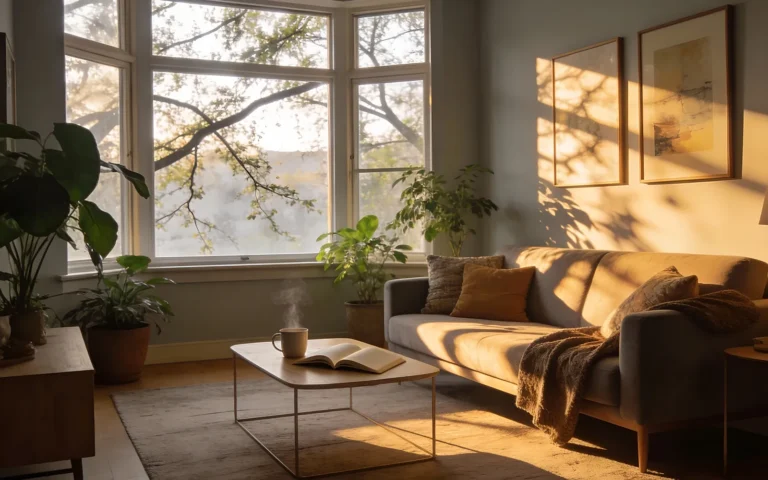
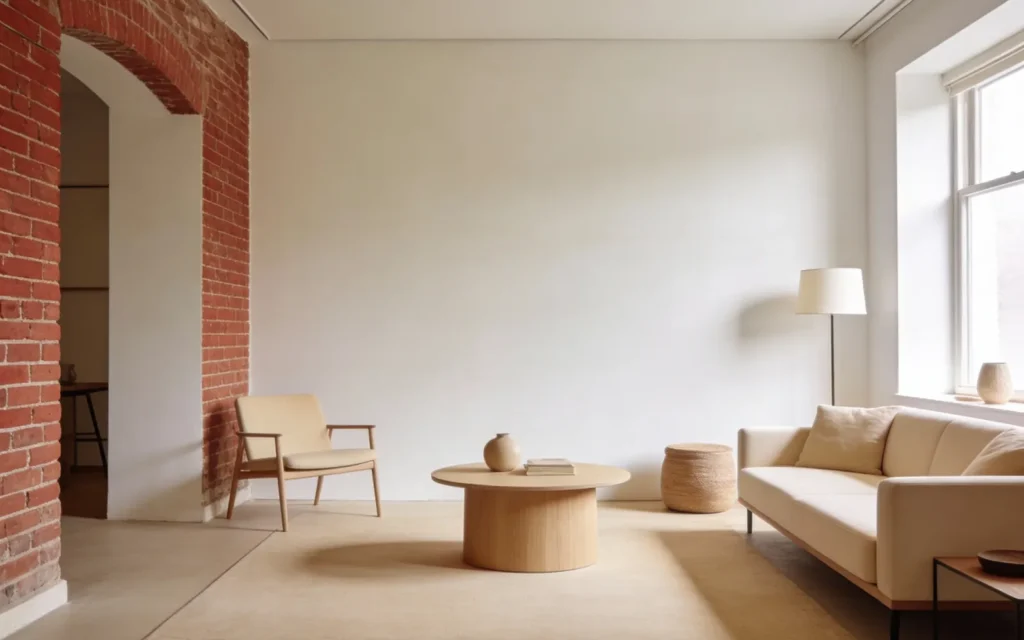
Clutter rarely arrives all at once. It builds up one free tote bag, one kitchen gadget and one “maybe later” pile at a time, until every drawer is full and every surface feels busy. The good news is that you can reverse it the same way, one small decision at a time.
These minimalist living tips aren’t about bare white walls or owning only 100 things. Minimalism simply means keeping what you use and love, and letting go of the rest so your home is easier to clean, easier to live in and calmer to come home to.
Below, you’ll learn how to define what minimalism means for you, a step-by-step way to declutter, what to do with the things you release and how to keep clutter from creeping back.
Decide What Minimalism Means for You
Before you open a single drawer, picture how you want your home to feel. Maybe you want a kitchen counter with room to cook, a closet where you can see every outfit or a living room where kids can play without tripping over toys.
Write that goal down in one sentence. When you’re unsure about an item later, you can ask whether keeping it moves you closer to that picture or further away.
Your version of minimalism can be different from anyone else’s. A home cook might keep a full spice rack, while a reader keeps a wall of books. The point is intention, not a number.
Minimalist Living Tips for Decluttering Room by Room
Trying to declutter the whole house in a weekend usually ends in exhaustion. Work through one small area at a time instead, using this simple process.
- Start with an easy win. Pick a low-emotion spot like a bathroom drawer or the coat closet, not a box of family photos.
- Empty the space completely. Take everything out so you can see what you actually have.
- Sort into four piles. Use keep, donate, recycle and trash. Be honest about items you haven’t used in the past year.
- Clean before you return anything. Wipe the shelf or drawer so it feels like a fresh start.
- Give every item a home. Put back only what fits comfortably, with the things you use most within easy reach.
- Move the outgoing piles right away. Load donations in your car the same day so they don’t drift back inside.
Aim for 20 to 30 minutes per session. Two or three short sessions a week add up fast, and you’ll see progress without giving up your whole weekend.
A good order to follow is bathroom, entryway, kitchen, closets, living areas and finally storage spaces like the garage or attic. By the time you reach the tougher rooms, your decision-making muscles will be much stronger.
Ask Better Questions About Your Stuff
The hardest part of decluttering is deciding. These questions make tough calls easier:
- Have I used this in the past 12 months, or will I use it in the next season?
- Do I already own something that does the same job?
- Would I buy this again today if I saw it in a store?
- Am I keeping this out of guilt, or because it adds something to my life?
For sentimental items, keep a small selection rather than everything. One or two favorite pieces of a child’s artwork, for example, can mean more on display than a full box hidden in the attic.
Let Go of Things Responsibly
Minimalism shouldn’t mean filling up a landfill. The EPA’s tips on reducing waste at home center on the “3 R’s”: reduce, reuse and recycle. Apply them to your outgoing piles.
Donate clothing, books and household goods in good condition to local charities, shelters or schools. Offer furniture and baby gear to friends or a community swap group, and check your local recycling rules before tossing electronics, batteries or paint, which often need special drop-off sites.
If you have items in excellent condition, selling them online or at a yard sale can recover some money. Set a deadline, though. Anything that hasn’t sold within a month goes to donation so it doesn’t become a new pile of clutter.
Keep Clutter From Coming Back
Once a space is clear, a few habits keep it that way:
- Use a one-in, one-out rule. When a new shirt comes home, an old one leaves.
- Wait before you buy. Put nonessential purchases on a list for 48 hours and see if you still want them.
- Keep a donation bin by the door. Drop items in as soon as you decide you’re done with them.
- Do a quick weekly sweep. A short weekly reset routine catches small piles before they grow.
Daily habits help, too. Clearing one surface each evening or putting things away before bed, much like the ideas in our post on simple morning habits for a calmer day, makes tomorrow start on a clean slate.
Your First Small Step
You don’t need a full weekend or a perfect plan. Set a timer for 20 minutes today, choose one drawer or shelf and work through the steps above. Small wins build the confidence to tackle bigger spaces.
At PKwys.com, we believe a simpler home leaves more room for what matters. Find more practical ideas in our lifestyle section.