It’s easy to assume that eco-friendly clothing means expensive labels and price tags most people can’t justify. In reality, the most sustainable choices are often the cheapest ones: wearing what you already own, buying secondhand and making each piece last.
Sustainable fashion on a budget comes down to a simple idea. The fewer new clothes you buy and the longer you wear them, the less waste you create and the more money you keep.
This guide covers how to shop your own closet first, where to find secondhand gems, how to spot quality and how to care for clothes so they last for years.
Why Sustainable Fashion on a Budget Matters
Clothing has a large footprint, from the water and energy used to make it to the waste left behind when it’s thrown out. According to the EPA’s textiles data, U.S. landfills received about 11.3 million tons of textiles in 2018.
Every item you wear longer or buy used instead of new keeps a little of that out of the trash. And because these habits also save money, they’re among the easiest green changes to stick with.
Shop Your Own Closet First
The most sustainable item is the one you already own. Before you buy anything, take stock of what’s hanging in your closet.
- Pull everything out once a season. You’ll likely rediscover pieces you forgot about.
- Create new combinations. Pair a dress with a sweater over it, or wear a blazer with jeans instead of trousers.
- Make a short gap list. Note only the items that would truly fill a hole, such as black flats or a warm coat.
- Fix what’s almost right. A missing button or loose hem is a five-minute repair, not a reason to replace something.
A small, mix-and-match closet makes this much easier. Our guide to building a capsule wardrobe walks you through choosing pieces that work together.
Buy Secondhand and Swap
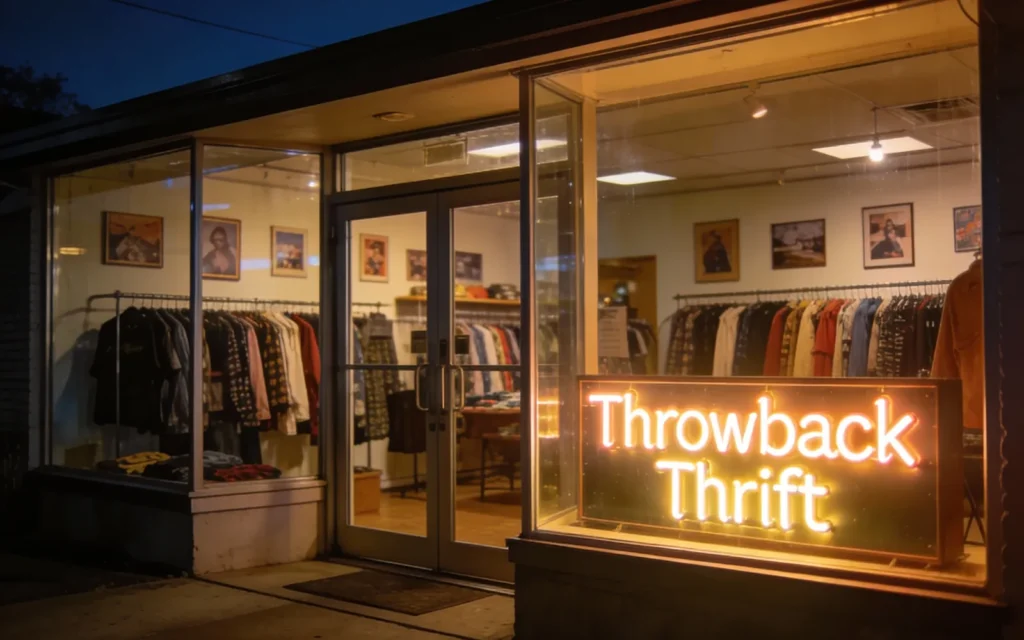
When you do need something, look for it used first. Thrift stores, consignment shops, resale apps and local buy-nothing groups all offer clothes at a fraction of their original cost.
A few tips help you shop secondhand well. Go with your gap list so you don’t come home with random bargains. Check seams, zippers and underarms carefully, and try things on whenever you can, since vintage sizes can run differently.
Clothing swaps are another free option. Invite a few friends to bring items they no longer wear, set them out by category and let everyone take what they like, then donate the leftovers.
Spend on Quality, Not Quantity
Sometimes buying new makes sense, especially for basics like underwear, socks or shoes. In those cases, a slightly higher-quality item that lasts years often costs less per wear than a cheap one you replace each season.
Here’s how to judge quality in the store:
- Feel the fabric. It should feel substantial, not thin or see-through, and should spring back when you gently stretch it.
- Look at the seams. Stitches should be small, even and tight, with no loose threads.
- Check patterns at the seams. Stripes and checks that line up suggest more careful construction.
- Read the care label. If an item needs dry cleaning every time, factor that ongoing cost into your decision.
Choose pieces that suit your shape so they actually get worn. Our guide on how to dress for your body shape can help you pick styles you’ll reach for again and again.
Make Your Clothes Last Longer
Good care is free and adds years to a garment’s life. Wash clothes only when they’re actually dirty, use cold water and turn dark or printed items inside out. Air-drying is gentler than a hot dryer and helps prevent shrinking and fading.
Learn a few basic repairs, like sewing on a button or fixing a small hem. For bigger jobs, such as replacing a zipper, a local tailor or cobbler is usually far cheaper than buying new.
When something truly reaches the end of its life, look for textile recycling drop-off points in your area rather than putting it in the trash. Worn-out cotton tees also make great cleaning rags.
Track Your Cost per Wear
A simple way to judge any purchase is cost per wear: divide the price by the number of times you expect to wear it. A jacket you wear twice a week for several winters often works out cheaper than a bargain top worn twice. Thinking this way naturally steers you toward pieces you’ll love and keep.
Start With One Change
You don’t have to overhaul your whole wardrobe at once. This month, try one habit: skip a new purchase, visit a thrift store with a gap list or host a small swap with friends. Small, steady choices add up for your closet and your wallet.
At PKwys.com, we share practical ways to look good without overspending. Find more ideas in our fashion section.